

First impressions are everything. A pitch deck is more than just a presentation, it’s an opportunity to tell a captivating story that can make or break a deal.
The best pitch decks engage audiences through their logical flow, being highly visually appealing and the way they present their unique value proposition. A brilliantly designed deck is essential for grabbing investor attention or compelling prospective clients to work with you. Establishing your credibility, conveying your passion and showcasing the reasons to believe in your brand.
At Notepad we’re pretty happy with our own pitch deck, so if you’d like to see it and find out more about our offering then please let us know. Equally, we’ve helped many of our clients reimagine their own pitch decks into something amazing, so if you’d like to develop yours, then you can drop us an email by contacting [email protected]
So without any further ado, let’s dive into some of the most impressive pitch decks that have made waves in recent years.
Peloton
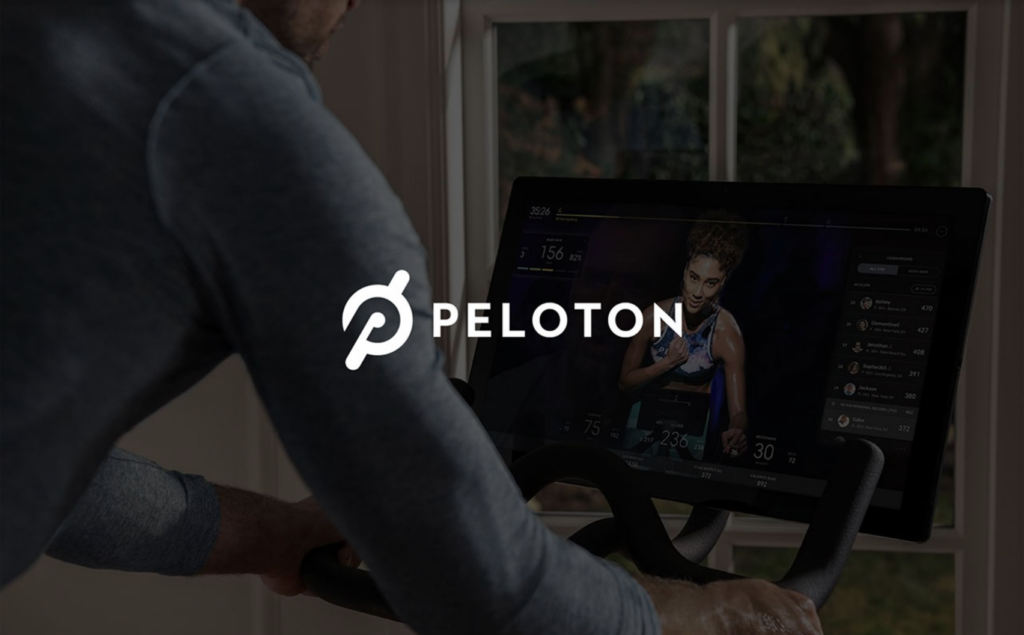
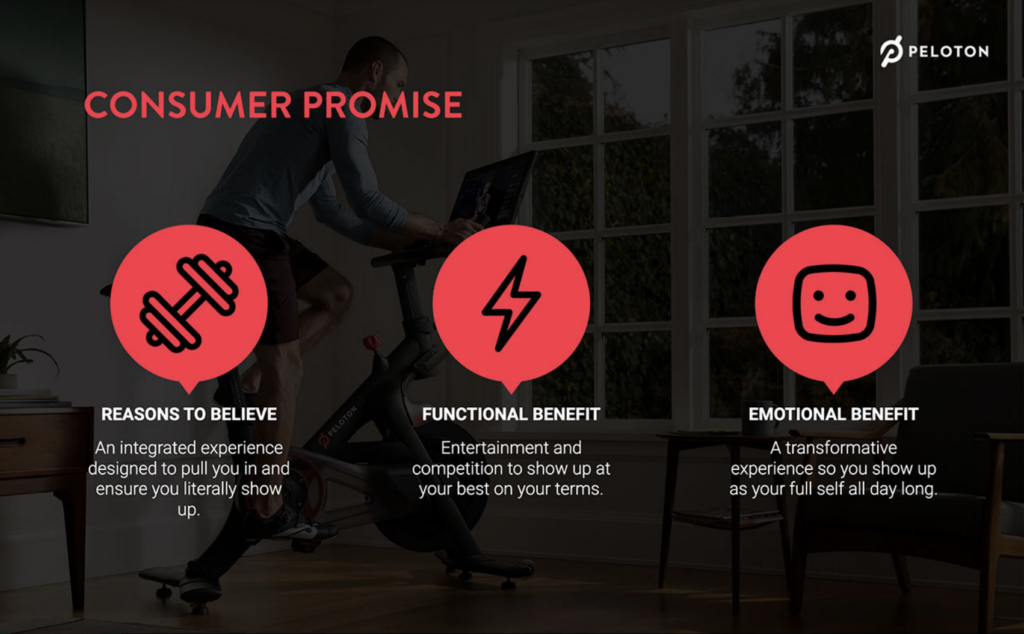
Peloton’s pitch deck showcased the company’s ambition to revolutionise home fitness by combining state-of-the-art equipment with a community-driven platform. It wasn’t just about selling a bike, Peloton positioned itself as a lifestyle brand that offered a holistic wellness experience.
This pitch deck in 2018, in the year prior to their IPO launch, contributed to the organisation (rightly or wrongly!) being valued at over $8bn and securing substantial investment.
The deck excelled in clearly identifying its target audience, fitness enthusiasts looking for a premium experience, whilst also emphasising the importance of immersion and their audiences’ motivations. This narrative resonated with investors, helping them see the long-term potential of Peloton as a brand that could build a loyal, engaged customer base.

Airbnb
Did you know Airbnb was originally named AirBed&Breakfast? Definitely more of a mouthful but that didn’t stop their rise to become the household name we all know today. Airbnb’s desire to bring radical change to the travel industry is still clear from its early pitch decks.
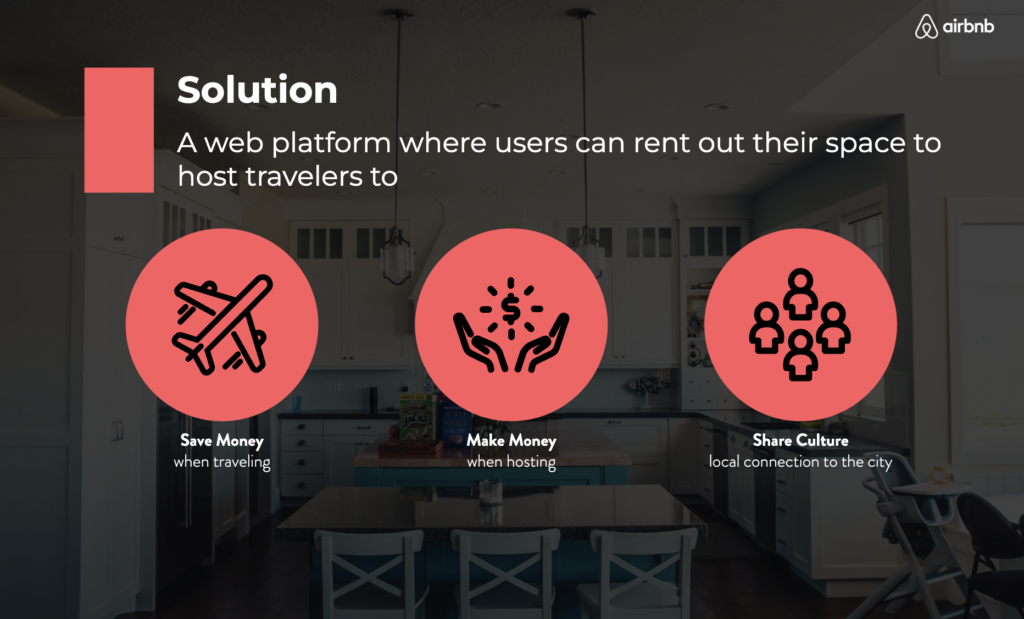
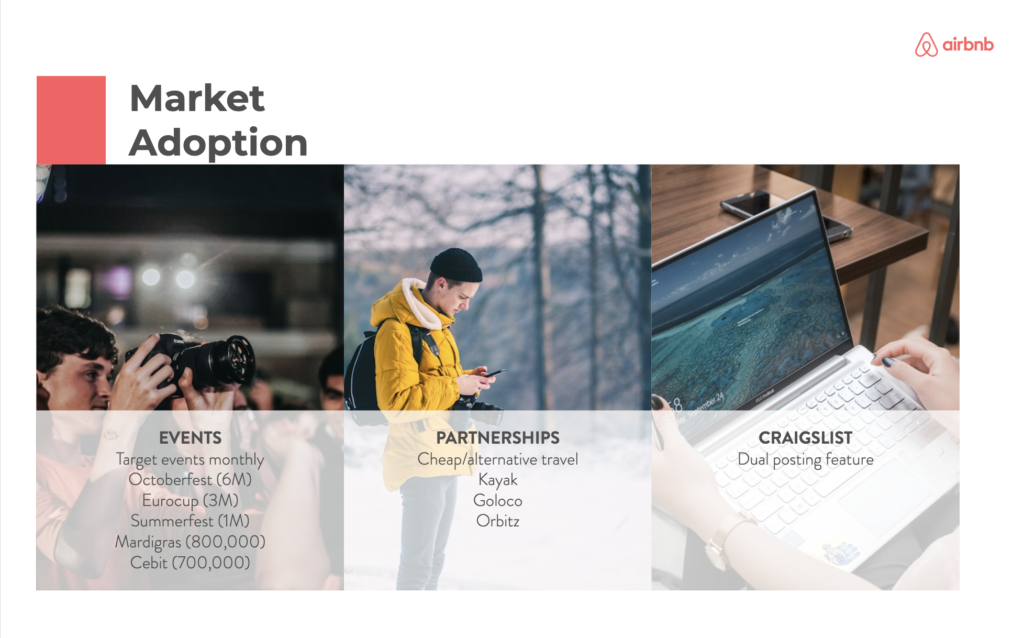
One of the key strengths of the Airbnb decks was its focus on their unique value proposition. Airbnb’s value proposition was that they offered a more affordable and authentic alternative to traditional hotels, this was a compelling message for prospective investors as it showed that the company had a clear and differentiated offering.
Another strength was in highlighting their company’s growth potential. The deck included detailed financial projections that showed their plans to grow its revenue and expand into new markets, with a targeted approach for specific cities and holidays, helping investors to believe in both their vision and strategy.
Castle
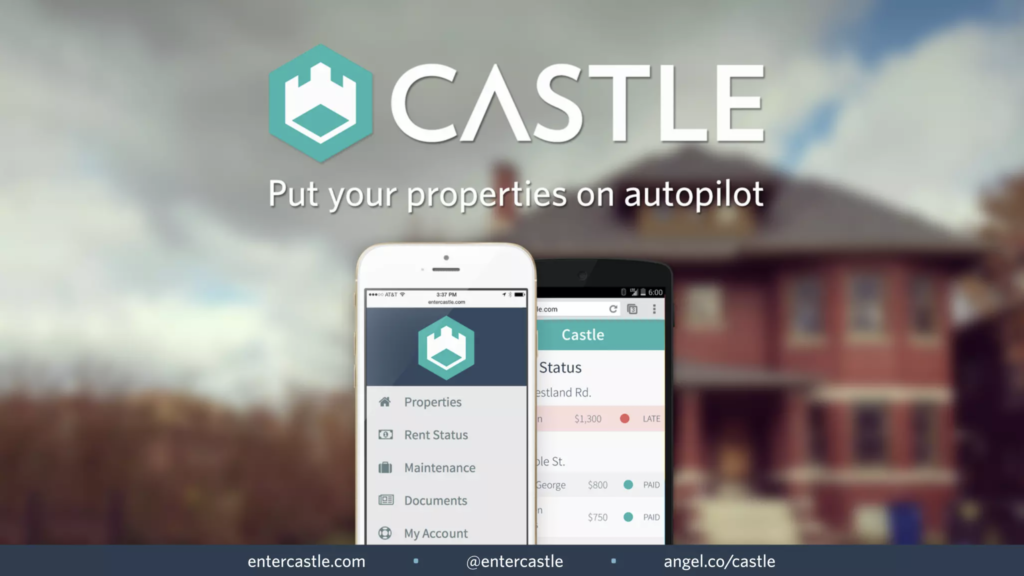
Castle is a Detroit-based real estate startup that lets rental owners put their properties on autopilot. In April 2015, they closed a $270,000 angel round using this deck. Since then, Castle has raised $3.3 million in seed funding from angel investors and venture capitalists.
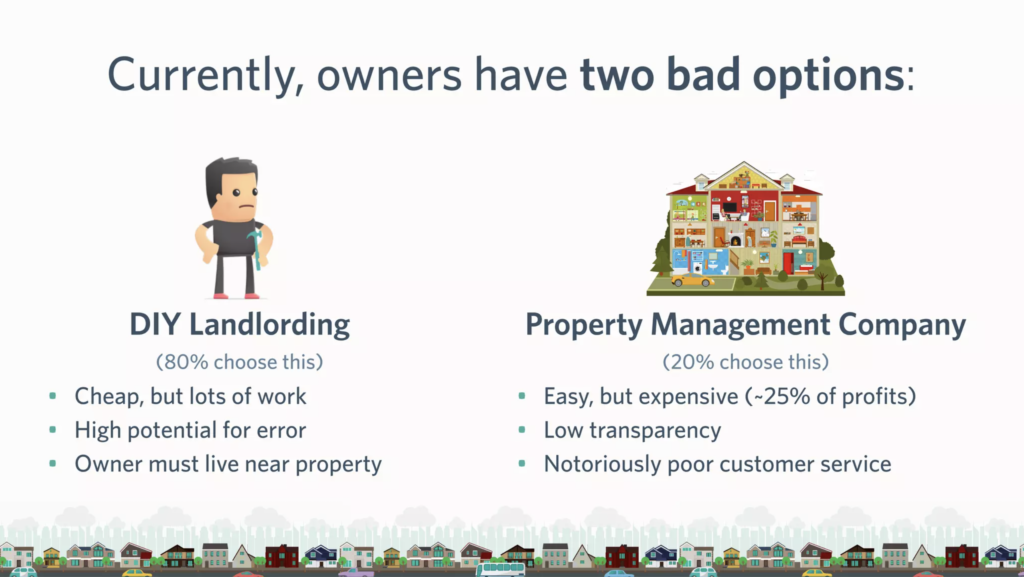
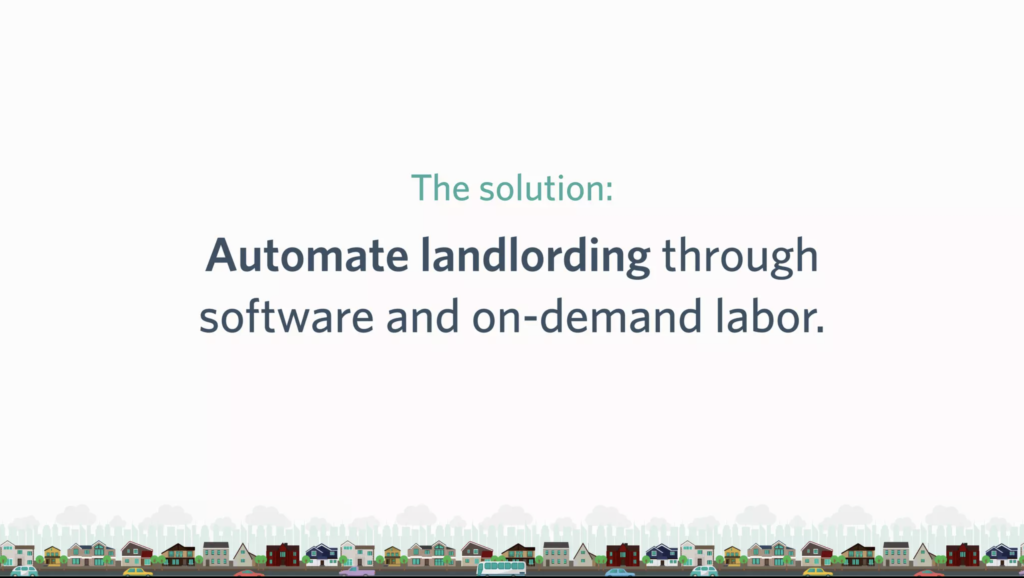
The deck excels thanks to the journey it takes audiences on. Presenting a problem, the solution, then strong elements of their brand which make their solution more memorable, including their strapline and elements of the visual brand.
These visual elements of the deck give Castle’s pitch a stronger sense of identity, and help to make the offering feel more professional and cohesive.
Wise (formerly TransferWise)
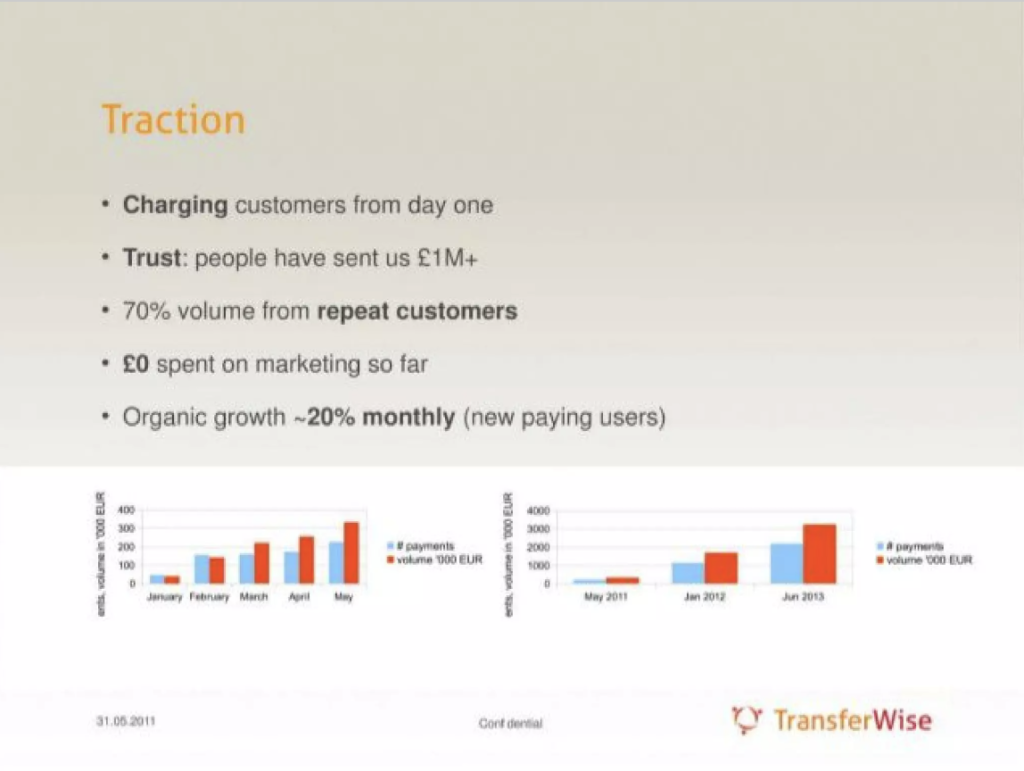
Wise’s clear and compelling pitch deck played a pivotal role in securing funding and establishing the company as a global leader in international money transfers, making cross-border transactions simpler and more affordable for millions.
The pitch deck stood out for its ability to distil a complicated financial service into clear, concise messaging and diagrams. By focusing on the pain points of traditional money transfers and presenting Wise’s innovative solution, the deck effectively communicated the company’s value proposition.
Many decks fall down by trying to do too much in a short amount of time, a top tip is to make your proposition and any diagrams as clear, punchy and easy to follow as possible. Unfortunately we can’t praise this 2011 deck’s visuals as it’s aged absolutely terribly! But the content still stands up.
Uber
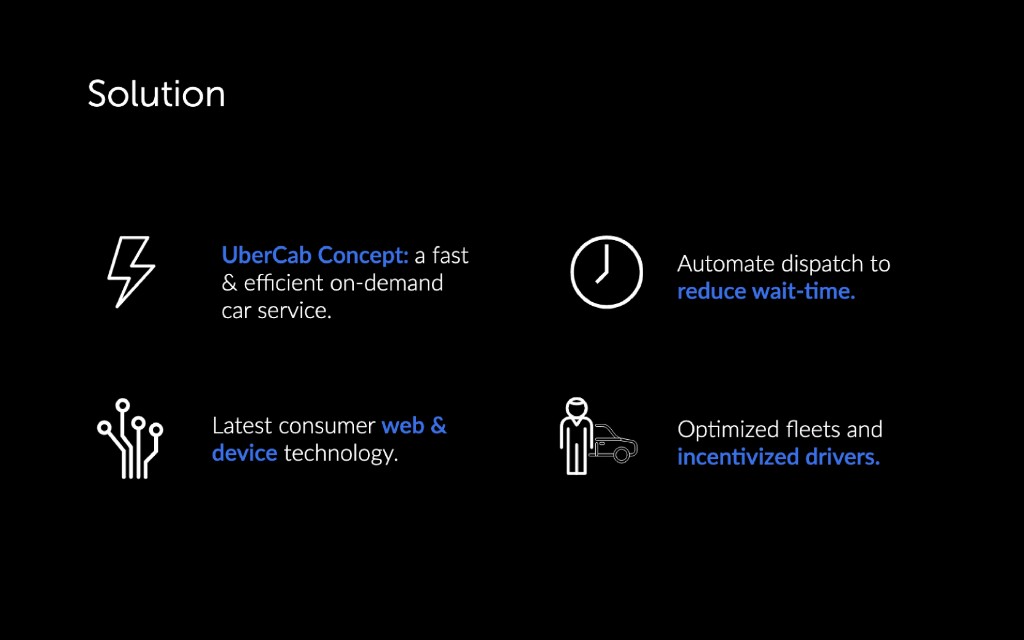
Uber‘s original pitch deck focussed on the (at the time) novel idea of allowing riders to use cabs that are driven by self-employed drivers.
Their attention-grabbing deck showed how Uber placed the potential customer at the heart of the proposition and set out an immediate solution for improved cab journeys. Its straightforward approach and strong storytelling was able to captivate investors, demonstrating Uber’s potential for disruptive innovation.
Uber also cleverly integrated app-inspired imagery into the presentation, with simple icons and infographics bringing a memorable and flair to the slide designs, helping audiences to get a more sensory experience of how it would feel to use Uber.


Mixpanel
Mixpanel is an analytics service company that’s designed to track and monitor web and mobile apps. Companies that use this tool can compare marketing campaigns and conduct user surveys in a manner that will help them refine their marketing techniques.
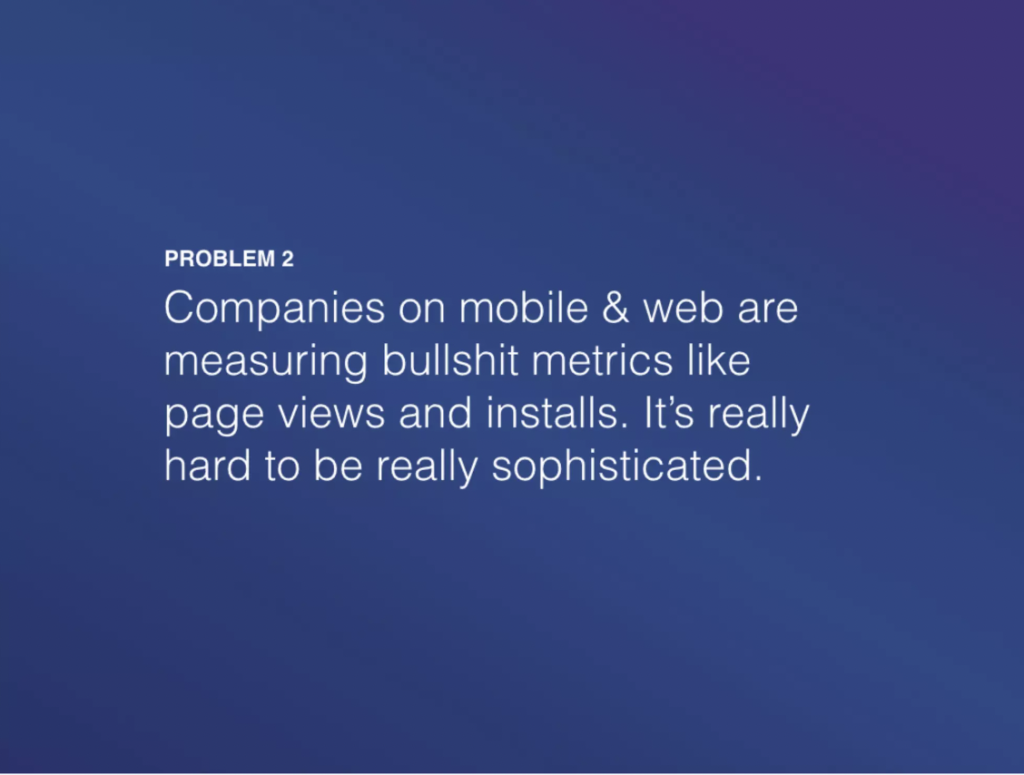
The Mixpanel pitch deck was highly simplistic with a focus on minimal text and bold copy. The problem and solution slides were both composed of short, snappy sentences, which allowed investors to easily understand what the company was trying to achieve, supported by its memorable presentation.
Mixpanel’s deck not only informs but also persuades, making a strong case for why the company is a worthy investment. Following on from this round of investment, with the pitch deck at its core, Mixpanel has brought in more than $77 million and gained a $864m valuation by 2014.




Thanks for reading and don’t forget to reach out for our Pitch Deck Strategy & Design services, say hi at [email protected] .


