
Rolling the dice. Taking a leap of faith. Venturing into the unknown. All phrases which suggest high degrees of risk, but all done with the promise of some kind of reward at the end, otherwise we’d never commit to the action in the first place! When it comes to risk-taking, many organisations play it far too safe with their marketing efforts, being afraid to rock the boat and potentially alienate their audiences.
However, businesses that don’t push their limits creatively can find themselves lost in a void of indistinct nothingness, where their marketing campaigns don’t engage anyone new in memorable ways, which is of course inhibitive to growth.
Creative risk-taking doesn’t necessarily mean trying to shock audiences, or using edgy humour, from our perspective it is more a question of stepping outside of your comfort zone and being prepared to take a stand and get noticed.
We would never suggest that a brand does anything out of keeping with its tone of voice or values, but if you want to be truly unforgettable, your marketing should encapsulate the unique selling points of your business whilst aiming to form lasting positive associations and strong emotional connections. This is particularly true in the case of a creative campaign, where your brand is really trying to get noticed and expand its reach.
Here are some fantastic examples of brands that rejected blandness and took a calculated risk with their marketing campaigns, knowing they could fall flat or be shunned by onlookers, but realising that if they landed they’d pay off tenfold. We hope that afterwards you’re feeling inspired and ready to make your next campaign impossible to ignore.
Ready to take a creative leap and get your brand seen? Get in touch with: [email protected]
Dove – Real Beauty
It’s hard to believe in 2024, but around 20 years ago when Dove launched their Campaign for Real Beauty, they were taking a huge risk by challenging conventional beauty standards in the beauty industry. Instead of using professional models, the campaign featured real women of various shapes, sizes, and ethnicities. At the time, beauty advertising predominantly used idealised images, and there was uncertainty about how consumers would respond to this different portrayal.
The campaign was a massive success. It not only resonated with women worldwide but also sparked a broader cultural conversation about beauty standards. Dove’s sales more than doubled, and the brand became closely associated with positive body image and self-esteem.

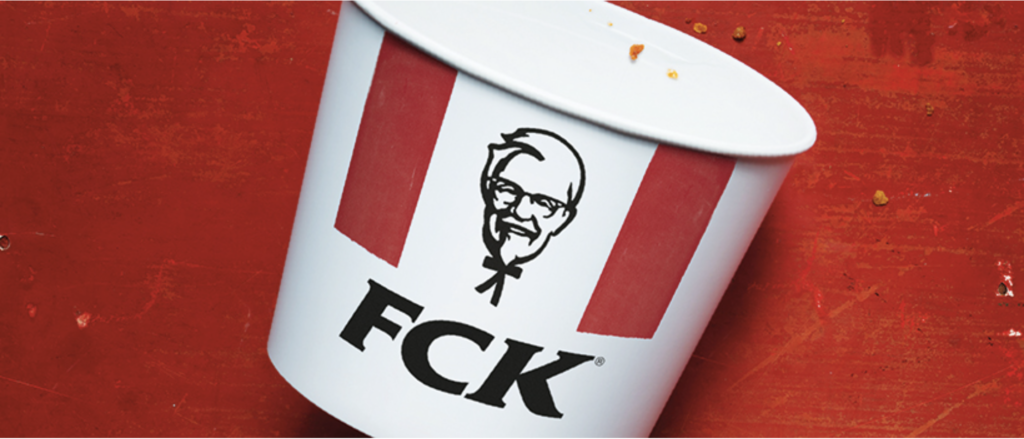
KFC – FCK
In 2018, KFC faced a crisis when supply chain issues led to a major chicken shortage, causing store closures across the UK. Instead of a formal, apologetic response, KFC ran full-page ads in newspapers featuring an empty bucket with the letters “FCK” in place of the brand’s name. This playful, irreverent approach to a serious issue was risky, as it could have been seen as unprofessional or insensitive.
However, the campaign was widely praised for its humour and transparency. Turning a potential PR disaster into a moment of brand brilliance, earning KFC goodwill from both the media and customers.
Burger King – Mouldy Whopper
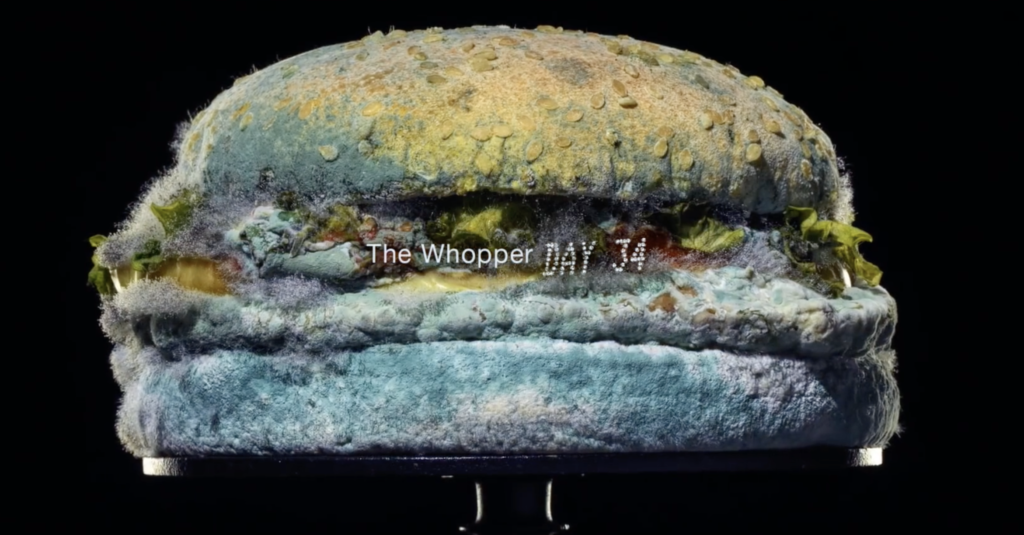
Who on earth would put a mouldy burger in their ad? Well that’s exactly what Burger King did. Their campaign showing a Whopper decomposing over time was a stark departure from the usual glossy fast-food imagery.
The point? To highlight their shift to preservative-free ingredients. It was a risky, visually unappealing move, but it communicated their message loud and clear, Burger King is about real food. Winning plaudits from audiences, especially those who’d seen the experiment of a Big Mac lasting for ages in the open without moulding.
Guinness – “Surfer” Ad
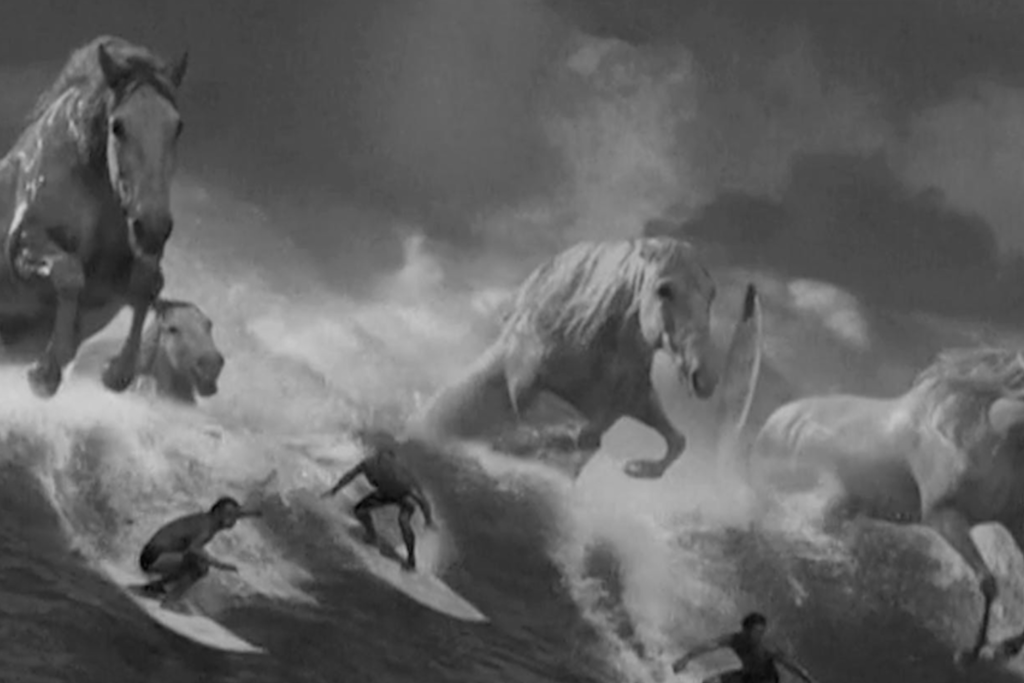
In 1999 Guinness released a visually stunning yet abstract TV advert featuring surfers waiting for a giant wave, accompanied by an inner monologue about life and the value of patience. It then progressed into an adrenaline-fuelled scene of crashing waves, pulsating music and galloping horses. The ad itself barely mentioned the product, which was a major risk for a beer brand relying on sales in a crowded market.
However, the campaign became truly iconic in the UK. Its artistic style and unconventional approach were hugely successful, strengthening Guinness’ brand identity as a premium, aspirational product whilst conveying the need to wait for perfection. It is still considered one of the greatest ads ever made.
Skittles – “Taste the Rainbow”
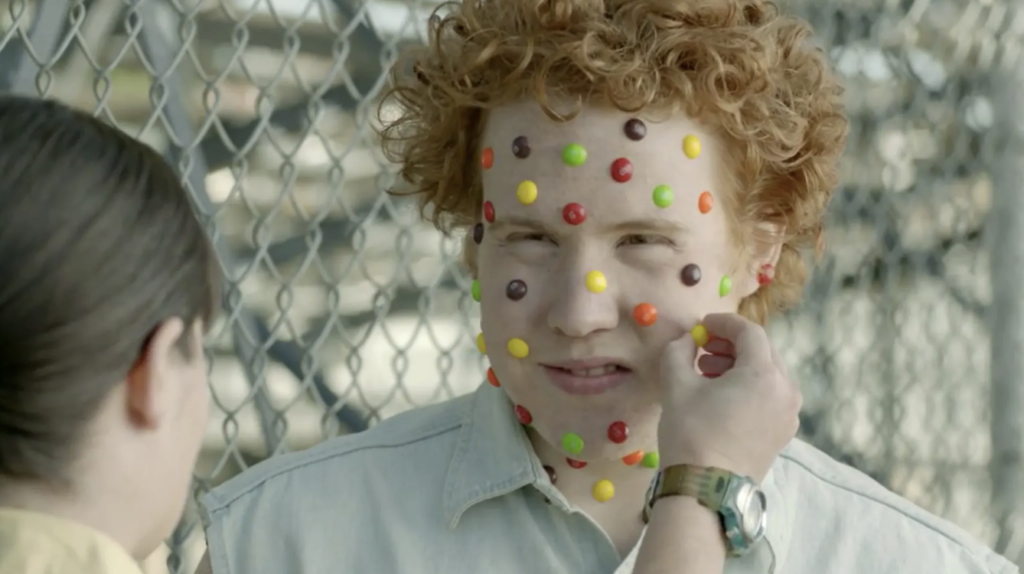
Skittles took a risk by adopting a bizarre, surreal approach to their advertising, using absurd humour and strange visuals that deviated from traditional confectionery marketing. Ads featured a wide range of strange scenarios, such as Skittles raining from the sky or a man turning everything he touches into Skittles.
The result… the weirdness worked. “Taste the Rainbow” became one of the most recognisable and enduring sweet slogans in the world, with the quirky ads creating strong brand recall and giving Skittles a unique positioning in a crowded market.
In conclusion, the brands that have taken creative risks and seen success did so not by chasing controversy but by staying true to their core values and beliefs. They weren’t afraid to take a stand, challenge the status quo, or offer a fresh perspective.
Whether it’s Dove promoting body positivity, KFC turning a PR disaster into a brand win with humour, or Burger King making a statement about real food with a mouldy Whopper, each of these campaigns was rooted in a genuine desire to connect with audiences in a meaningful way.
If there’s one lesson to take away, it’s that standing out often requires stepping out of the comfort zone. Creative risk-taking, when done thoughtfully and authentically, can lead to unforgettable campaigns that resonate with audiences and ultimately drive growth.
So as you plan your next marketing move, don’t be afraid to roll the dice and make your brand impossible to ignore because playing it safe might just be the biggest risk of all.
Ready to be bold and take a creative risk? Get in touch with [email protected]


